The Link Between Dental Health and Better Sleep: What a Sleep Dentist Knows
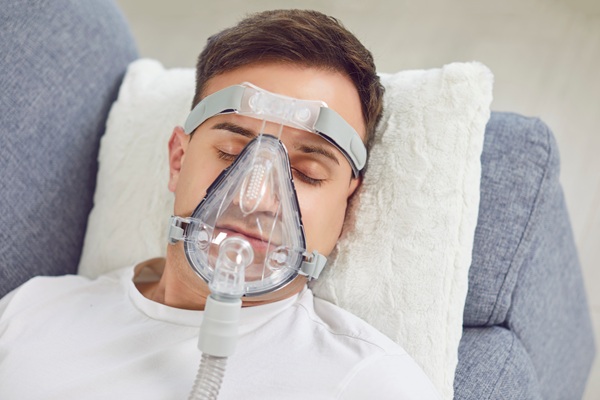
The connection between oral health and restful sleep is often overlooked, yet a sleep dentist understands that healthy teeth, gums, and jaw function can directly influence sleep quality. Addressing oral health issues can help reduce sleep disturbances, improve breathing patterns, and enhance overall well-being. As a general dentist with training in sleep dentistry, the focus is not only on preventing cavities and gum disease but also on identifying and treating conditions that disrupt healthy sleep.
How oral health affects sleep quality
Dental health plays a significant role in breathing and jaw alignment, both of which can affect sleep. Conditions such as temporomandibular joint (TMJ) disorders, misaligned bites, and untreated oral infections can lead to pain, discomfort, or restricted airflow during rest. When the airway is partially blocked, the body may struggle to maintain deep, restorative sleep. Additionally, chronic oral discomfort can cause frequent waking, increase nighttime restlessness, and limit the body’s ability to reach optimal sleep stages consistently.
A sleep dentist evaluates more than just teeth and gums. They also assess jaw structure, tongue position, and airway openness to determine if dental health issues could be contributing to poor sleep. This approach ensures that treatment addresses both oral function and nighttime comfort.
Common dental conditions that can disrupt sleep
Several oral health issues can directly or indirectly influence sleep quality. Among the most common are:
- Bruxism (teeth grinding): Nighttime grinding can cause jaw pain, headaches, and tooth wear. These symptoms may wake patients or prevent deep sleep cycles.
- Obstructive Sleep Apnea (OSA): Caused by a blocked airway during sleep, OSA often involves oral structures such as the soft palate, tongue, and jaw.
- TMJ disorders: Misalignment or stress on the jaw joint can lead to discomfort that disrupts sleep.
By identifying these conditions early, a sleep dentist can develop targeted treatments to restore both oral health and restful sleep.
The role of a sleep dentist in diagnosis and treatment
A sleep dentist works in collaboration with medical providers to assess and manage sleep-related breathing disorders. This may include reviewing a patient’s dental history, performing a comprehensive oral examination, and recommending sleep studies when necessary. If an oral appliance is appropriate, it can be custom-fitted to gently reposition the jaw and tongue, which helps promote better airflow during sleep.
Oral appliance therapy is often effective for mild to moderate sleep apnea and snoring. These devices, designed to be comfortable, discreet, and easy to wear, allow patients to sleep more soundly without the bulk or noise of a continuous positive airway pressure (CPAP) machine. In addition, treatment for related issues, such as night guards for bruxism or orthodontic adjustments for bite correction, can further enhance nighttime comfort.
Preventive dental care as a sleep health strategy
Maintaining good oral health is a key step in preventing sleep-related dental issues. Regular checkups, professional cleanings, and early intervention for gum disease or tooth decay reduce the risk of inflammation and infection that could impact sleep. For example, untreated gum disease can contribute to systemic inflammation, which can lead to disrupted sleep patterns.
Preventive care also allows for early detection of structural issues, such as a narrow dental arch or crowded teeth, that could affect breathing during sleep. Addressing these concerns early—sometimes even in childhood—can help prevent long-term sleep disturbances.
Supporting whole-body wellness through dental and sleep health
The connection between dental health and quality sleep is part of a larger picture of whole-body wellness. Poor sleep can contribute to conditions such as high blood pressure, cardiovascular disease, and impaired immune function. Likewise, untreated oral health problems can lead to systemic inflammation, which may worsen sleep quality.
By addressing both dental and sleep-related concerns, a sleep dentist can help patients experience the combined benefits of a healthy mouth and restful sleep. The result is often improved energy, better mood, and a reduced risk of chronic health problems.
Learn more from a sleep dentist
Oral health and sleep quality are more closely connected than many people realize. Through careful assessment, targeted treatment, and ongoing preventive care, a sleep dentist can play a crucial role in improving both dental health and overall well-being. This approach not only restores comfort and function but also supports deeper, more restorative sleep that benefits the entire body in lasting, meaningful ways. For more information or to schedule an appointment, call our office at (972) 638-5848.
To schedule a consultation, request an appointment on our website at https://www.yourdowntownmckinneydentist.com/ or call Sam Patel DDS, PA at (972) 638-5848 for an appointment in our McKinney office.
Check out what others are saying about our services on Yelp: Sleep Dentist in McKinney, TX.
Related Posts
Routine visits to a family dentist play a vital role in maintaining long-term oral health. Preventive care focuses on identifying issues before they develop into more serious problems, helping patients of all ages avoid discomfort, extensive treatments, and added expenses. A comprehensive preventive plan begins at the dental office and continues with daily habits at…
For a patient with a missing tooth, there is often more than one treatment that a dentist can discuss with the patient. A dental implant is one of the most common ways to replace a natural tooth, especially if there is only one tooth that is missing. When compared to other methods commonly used to…
Family dentists offer comprehensive care for all ages, from young children to elderly adults. This versatility makes them an ideal solution for busy households seeking a one-stop solution for their dental needs. By offering convenience and continuity in oral health care, these dental professionals can help families simplify their professional and at-home dental routines.One of…
Choosing a family dentist can offer numerous benefits for households with members of different age groups. These dental professionals provide comprehensive dental care for children, adolescents, adults, and seniors. They offer a variety of services that ensure convenience, consistency, and high-quality treatment throughout every stage of life.A family dentist can address a wide range of…