Benefits of a Dental Implant To Replace a Missing Tooth
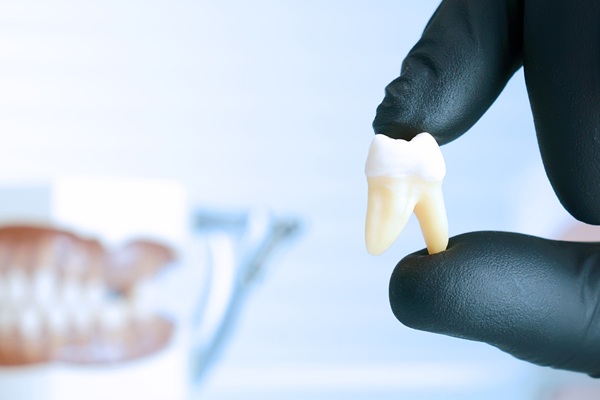
For a patient with a missing tooth, there is often more than one treatment that a dentist can discuss with the patient. A dental implant is one of the most common ways to replace a natural tooth, especially if there is only one tooth that is missing. When compared to other methods commonly used to treat tooth loss, such as dental bridges or dentures, implants offer many unique benefits that make them a popular method for helping patients achieve a complete smile.
Benefits of a dental implant
An implant is attached to the underlying jawbone. The bone provides a solid foundation, which results in numerous benefits.
One of the main advantages of dental implants is that the treatment does not affect the surrounding teeth. Additionally, implants are a permanent solution to tooth loss with crowns only needing to be replaced every 10 to 15 years with proper treatment. Unlike dentures, implants cannot become dislodged from the mouth.
They often feel and look just like regular teeth once the healing process if over, especially when made from full porcelain. Patients can quickly return to regular eating and speaking. Implants also do not require special cleaning instructions, as regular oral hygiene is all that is necessary.
One of the functional benefits of an implant is that it prevents bone loss of the jaw. When there is a missing tooth, the lack of biting pressure on the jawbone overtime causes it to lose density. Even if other tooth replacement options look better aesthetically, they do not help decrease bone loss. Implants, on the other hand, do prevent loss because the implant is attached to the bone, which stimulates bone growth.
Frequently asked questions
Getting an implant has many benefits, but it is a more invasive procedure, so potential patients should ask a variety of questions before choosing this method.
When are dental implants used?
There are several situations resulting in tooth loss that dental implants are often used to remedy:
- Tooth decay: Cavities and general tooth decay are common reasons for a missing tooth. If the decay is so severe that a filling or root canal can not restore the tooth, extraction may be necessary.
- Gum disease: Often caused by poor dental hygiene or smoking, gum disease can eventually affect the mouth’s supporting bones, causing teeth to become loose and eventually fall out.
- Trauma: Teeth can become dislodged if a patient is hit in the mouth or another injury occurs. While emergency dental care can sometimes save the tooth, without prompt treatment, a gap in the mouth may result.
- Congenitally missing teeth: Sometimes, genetics are to blame for a missing tooth. Ectodermal dysplasia is a common reason a person may be born without a full set of teeth. Other genetic disorders such as down syndrome or cleft lip can also contribute to tooth loss.
- Bruxism: Excessive teeth grinding can wear down teeth and cause enough damage that they need to be removed. Bruxism can also make the teeth more susceptible to decay.
Who can benefit from dental implants?
Before a person can get a dental implant, there are several conditions that must be met to establish candidacy. For one, the dentist must evaluate the thickness of the jawbone. If a person has low bone density, there is greater chance that the implant will not be able to attach sufficiently, and the procedure will fail. A person with low density may still be able to get an implant by first going through a bone graft procedure.
Additionally, the dentist will consider the number of teeth missing when discussing treatment options. If a patient has more widespread tooth loss, dentures are commonly used. Bridges are a popular option for patients missing two or more teeth adjacent to one another. Implants, on the other hand, are often the first option for patients who have lost only a couple of teeth.
Certain health conditions and lifestyles also make someone a poor candidate for an implant. Certain medications and medical issues interfere with healing, increasing the risk of the procedure. People who smoke or have poor oral hygiene may also not be good candidates.
Learn more about our teeth replacement options
Having a missing tooth or two is a more common issue than most people think. Fortunately, implants can fill the gaps and help patients chew and smile normally again. A dentist can help determine a patient’s candidacy for implants and discuss what other options are available.
Request an appointment here: https://www.yourdowntownmckinneydentist.com or call Sam Patel DDS, PA at (972) 638-5848 for an appointment in our McKinney office.
Check out what others are saying about our services on Yelp: missing tooth in McKinney, TX.
Related Posts
A broken tooth requires prompt action to protect the inner nerves from bacteria and ensure the underlying structure remains viable for long-term professional repair. Teeth are remarkably durable, but they are not indestructible, meaning they can succumb to the unexpected pressure of a rogue popcorn kernel, a sports injury, or a simple fall. Regardless of…
It is important to repair a chipped tooth promptly to prevent the issue from worsening or symptoms of the chipped tooth from lingering for longer than what is necessary. When seeking prompt care for a chipped tooth, the treatment is often less invasive and more affordable for the patient as well.When visiting a dentist for…
A dental crown offers a durable way to protect a damaged tooth while restoring a natural look and full function to a patient's smile. This long-term solution covers a vulnerable area to prevent further breakage or decay. While these restorations are incredibly strong, they require specific care to remain in top shape for a decade…
Wondering how often a general dentist places a dental crown? The fact that dental crowns are one of the more common types of dental restorations that patients undergo to improve their oral health makes dental crown placement a very popular option for repairing teeth. Ready to learn more?It is essential for anyone who is in…