A Helpful Guide for Healing after Dental Implants
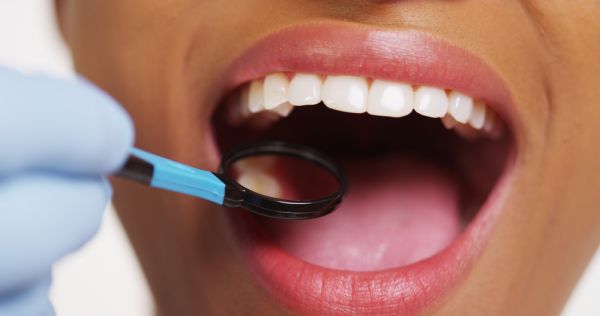
Dental Implants are the standard when it comes to replacing missing teeth. These prosthetics are the only way to replace a missing tooth and the tooth roots. Other dental devices used to replace missing teeth do not address the missing roots. This often leads to drastic changes in the way the patient's face looks as the bone tissue in the jaw begins to disintegrate. When the root of a missing tooth is replaced with an implant, it keeps the person's jawbone tissue properly stimulated. That helps to preserve the surrounding bone tissue.
About dental implants
Implants are quite popular because of various factors. Not only do they preserve the jawbone, but they also restore the function of your teeth. Lasting up to 25 years, dental implants give you a set of teeth that work just like natural teeth. As for maintenance, you can brush and floss your implants to keep them clean. Other devices need special solutions or adhesives to stay clean and in place. Implants can withstand the rigors of daily life and do not stain like normal teeth.
Installation
Getting dental implants installed can be quite the process. For standard implants, the installation often requires at least three trips to the dentist. It can take up to several months from start to finish. Patients with adequate amounts of jawbone tissue also have the option of getting same-day implants. These types of implants are the pricier choice, but the patient leaves the clinic after the first procedure with their smile fully restored.
Speeding up the recovery process after getting dental implants
Firstly, patients should follow any guidelines provided by their dentist. That said, there are also simple things that you can do to make the recovery period shorter. These include:
- Sticking to only soft foods for a few days after the procedure
- Practicing good dental hygiene by brushing multiple times a day and flossing at least once
- Taking pain medication as recommended by the dentist
- Avoiding intense activities for the first few days after surgery
- Attending all follow-up appointments
- Being careful not to aggravate the wound
- Not taking part in strenuous or dangerous activities that could damage the mouth
Managing pain
You will likely receive pain medication and antibiotics following the surgery. That said, you may experience tenderness and swelling. If so, you can use a cold or warm compress to soothe the pain. Speak with your dentist before taking over-the-counter pain medication.
Ready to get your dental implants?
The beauty of implants is that once the procedure is complete, you are free to go about your business as if you had never lost a tooth. The process may seem daunting, but you will love the results. Follow the advice above to heal quickly and reduce associated pain.
Are you dealing with a missing tooth? Talk to one of our dentists and find out if implants are a good option for you.
Request an appointment here: https://www.yourdowntownmckinneydentist.com/ or call Sam Patel DDS, PA at (972) 638-5848 for an appointment in our McKinney office.
Check out what others are saying about our dental services on Yelp: Dental Implants.
Related Posts
For a patient with a missing tooth, there is often more than one treatment that a dentist can discuss with the patient. A dental implant is one of the most common ways to replace a natural tooth, especially if there is only one tooth that is missing. When compared to other methods commonly used to…
Family dentists offer comprehensive care for all ages, from young children to elderly adults. This versatility makes them an ideal solution for busy households seeking a one-stop solution for their dental needs. By offering convenience and continuity in oral health care, these dental professionals can help families simplify their professional and at-home dental routines.One of…
Choosing a family dentist can offer numerous benefits for households with members of different age groups. These dental professionals provide comprehensive dental care for children, adolescents, adults, and seniors. They offer a variety of services that ensure convenience, consistency, and high-quality treatment throughout every stage of life.A family dentist can address a wide range of…
If you want to improve your smile, you may be thinking about cosmetic dentistry. There are numerous procedures that can change the appearance of your teeth. However, some of them permanently alter the teeth so the process cannot be undone.Once you consider several cosmetic procedures, perhaps you wonder which one you should carry out first.…