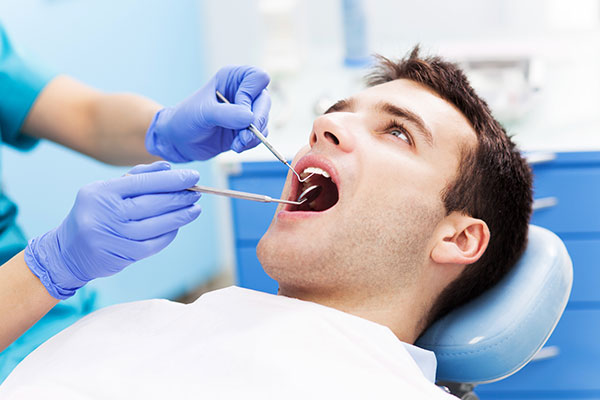
 You might be wondering how emergency dentistry and the Coronavirus COVID-19 disease guidelines impact your dental needs. If you are like many other patients, you may have to wait for your next checkup. Though dentists advise people to have a semiannual exam, the coronavirus has put a temporary end to these visits. Dentist offices have not closed their doors altogether, though. Understanding what issues are emergencies and which are not will help you know when to make an appointment.
Reasons for emergency dentistry and the Coronavirus COVID-19 disease concerns
The coronavirus is highly contagious and can infect anyone. Though some people are more prone to it than others, patients do not want to increase their exposure. Because the virus spreads through close contact, health officials want people to stay more than 6 feet away from others. Dental procedures require patients and dental office staff to be closer than this limit. Thus, non-essential appointments are not available during the pandemic.
Non-essential: teeth cleanings and X-rays
Daily brushing is an effective way to stave off tooth decay. Patients should do this twice a day and floss once a day. However, twice-a-year visits to the dentist can further help patients remove plaque and other buildup from their teeth. Also, at wellness visits, a hygienist will take X-rays, showing the dentist a close look at the patient’s teeth. As the American Dental Association considers emergency dentistry and the Coronavirus COVID-19 disease, officials have deemed these two services as non-essential. Patients should continue good dental hygiene during this time.
Non-essential: minor cavities
There are times when filling a cavity would be an emergency. Some untreated cavities can turn into infections and cause intense pain. However, small cavities can wait for weeks or even months for the dentist to repair them. The question is how does the patient know whether they have a non-emergency cavity? If the person does not have a toothache or tooth sensitivity, filling the cavity is not a pressing matter. Also, some dentists may prefer to wait if the cavity is on a baby tooth.
Non-essential: cosmetic procedures
As embarrassing as it may be to have a broken or chipped tooth, it may not be an emergency. Again, this depends on whether the patient is in pain or cannot eat without discomfort. Another emergency dentistry and the Coronavirus COVID-19 disease question is whether to fix stained or discolored teeth. Teeth-whitening procedures are not emergencies and should not take place during the coronavirus pandemic.
Essential needs
Some oral health conditions require immediate treatment. Patients should go to the emergency dentist to repair severely broken or knocked-out teeth. Patients who have an intense, continuous toothache should also make an appointment. Jaw pain or swelling would also require a visit.
Wait your turn
If any of your current dental issues fall into the non-essential category, continue to care for your teeth. You can put off an appointment to the dentist until the pandemic restrictions are over. During this time of emergency dentistry and the Coronavirus COVID-19 disease uncertainty, pay attention to these guidelines so that you can make the right choice. If you are confused, call your dentist.